-
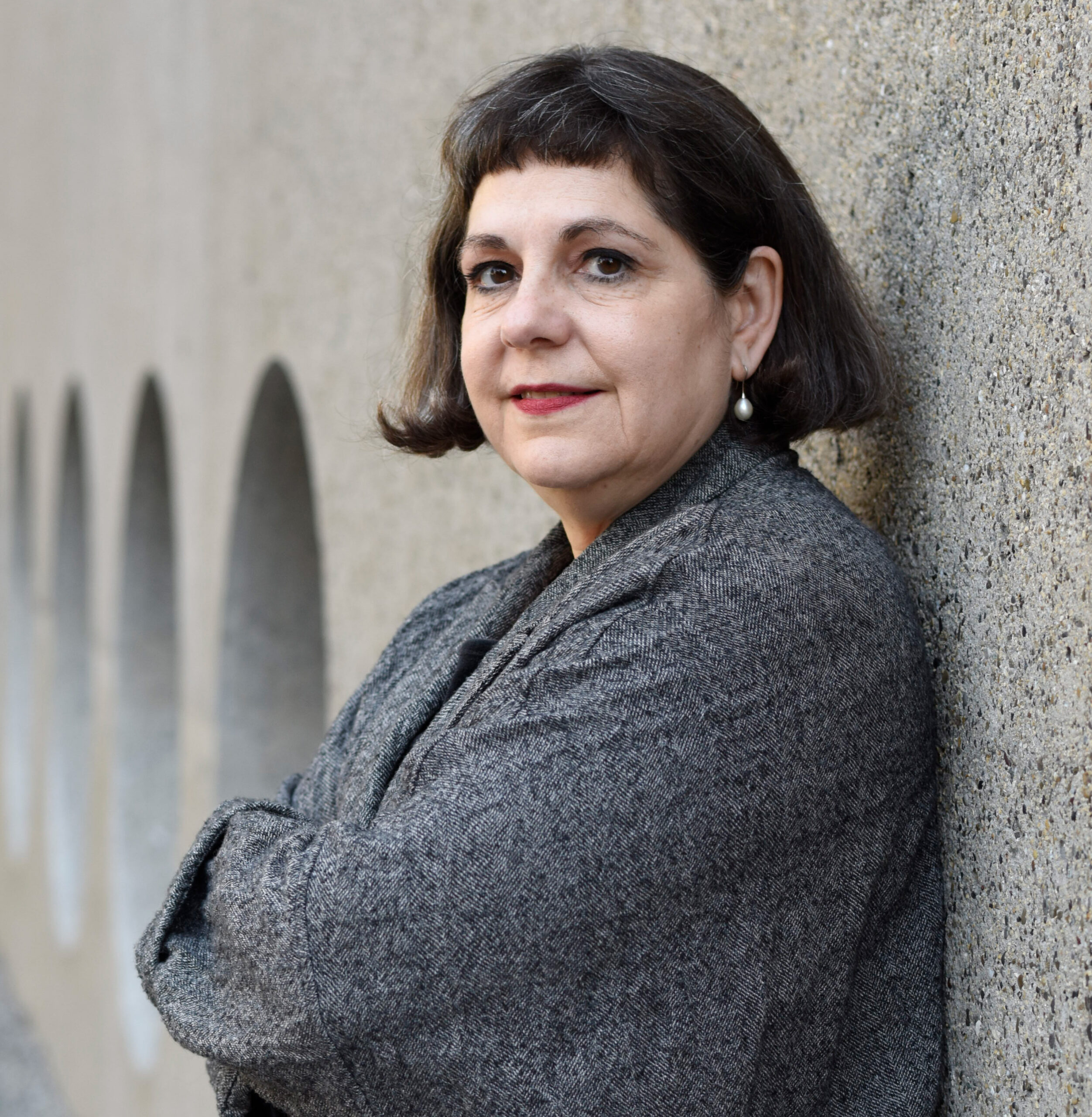
Democracy requires a sufficient number of people with a democratic character
To assess the limits of what is and is not possible in a democracy, the philosopher Marie-Luisa Frick advocates for both civil discourse and robust debates.
-
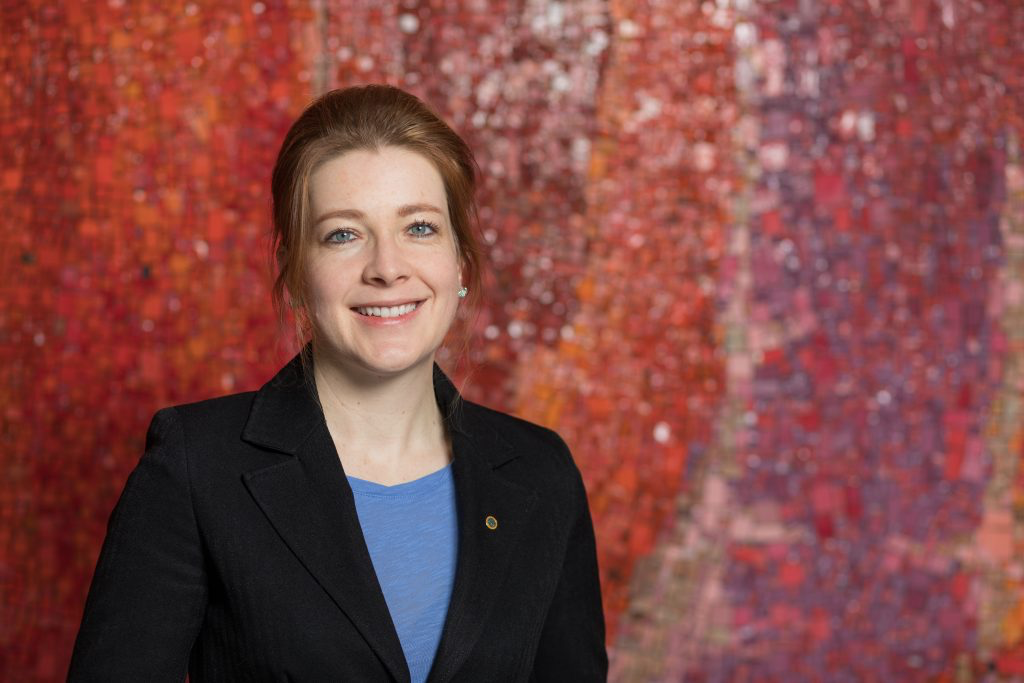
Political education for a solidary mode of living
The political scientist Ulrich Brand says there is a link between the climate crisis and a mode of living which he describes as imperial. For him, it is vital for us to overcome this. Individual learning and, above all, collective learning by society are a key requirement for this transformation.

-
Why Meritocracy Also Produces Inequality
For many years the sociologist Andreas Hadjar has been researching how educational opportunities are connected with class of origin, gender and migration background. In this interview, he explains why the meritocratic ideal – the notion that talent and effort determine successl in education and career – is often used as a way of legitimising social…
-
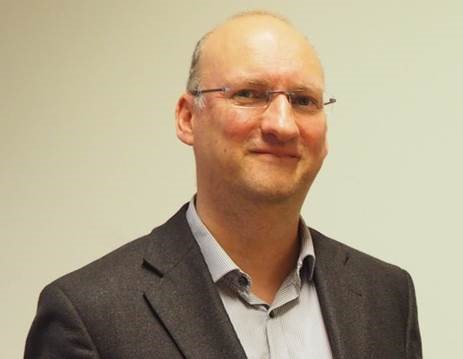
Shifting the images in our minds through stories
In a sense, people who live at the margins of society, or who pursue passions that are deemed socially unacceptable, inhabit a parallel world – although they are part of our everyday lives, they remain invisible. Photojournalist and philosopher Klaus Petrus examines this paradox and believes that, in part, it arises from the fact that…
-
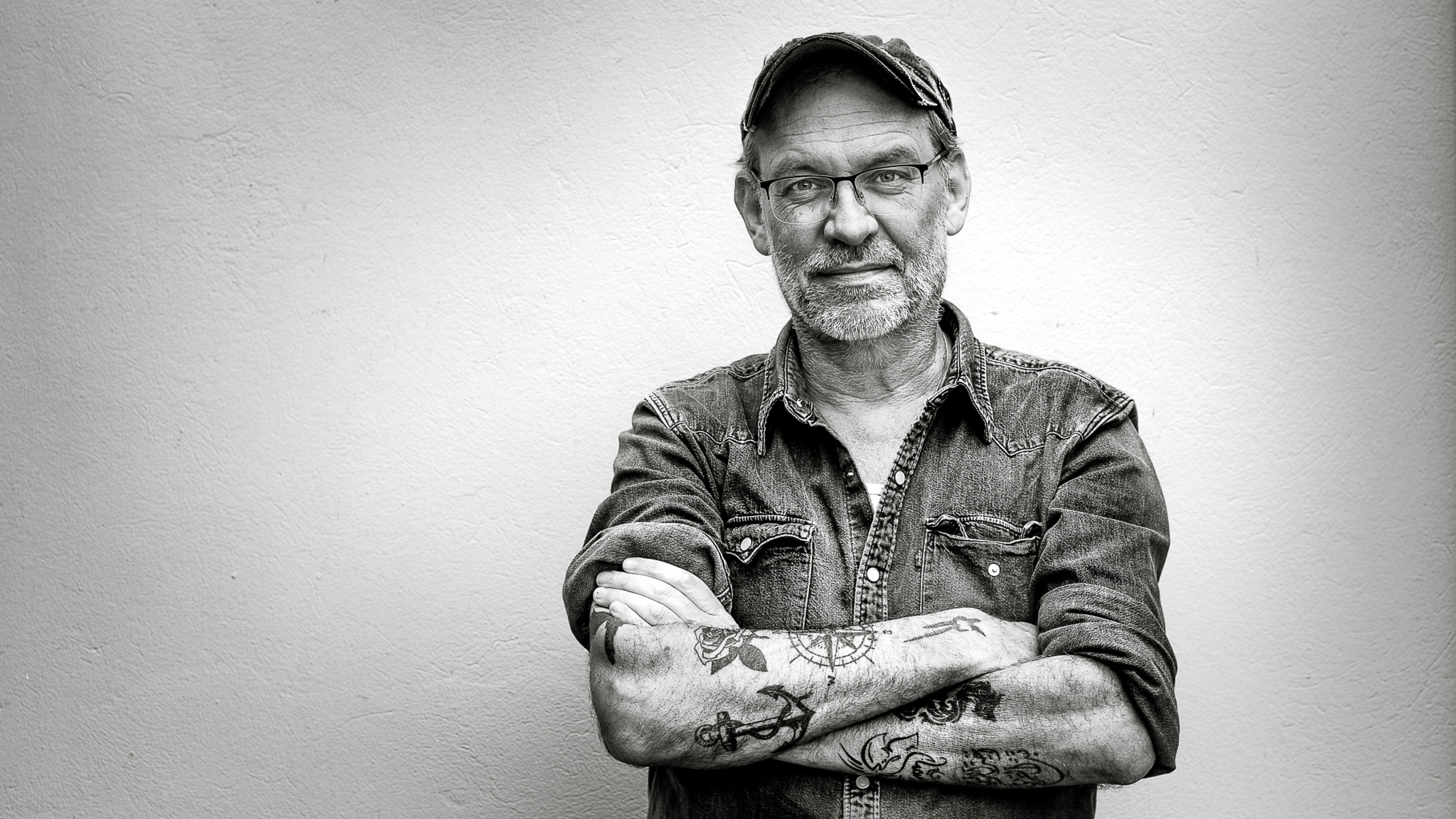
Why troublemakers are needed
Although these educational concepts were and are also about acquiring certain content, education itself is conceived as an open-ended process. The essence of this process is that we allow the world to affect us and change ourselves in the process. It is impossible to predict what the end result will look like.
-
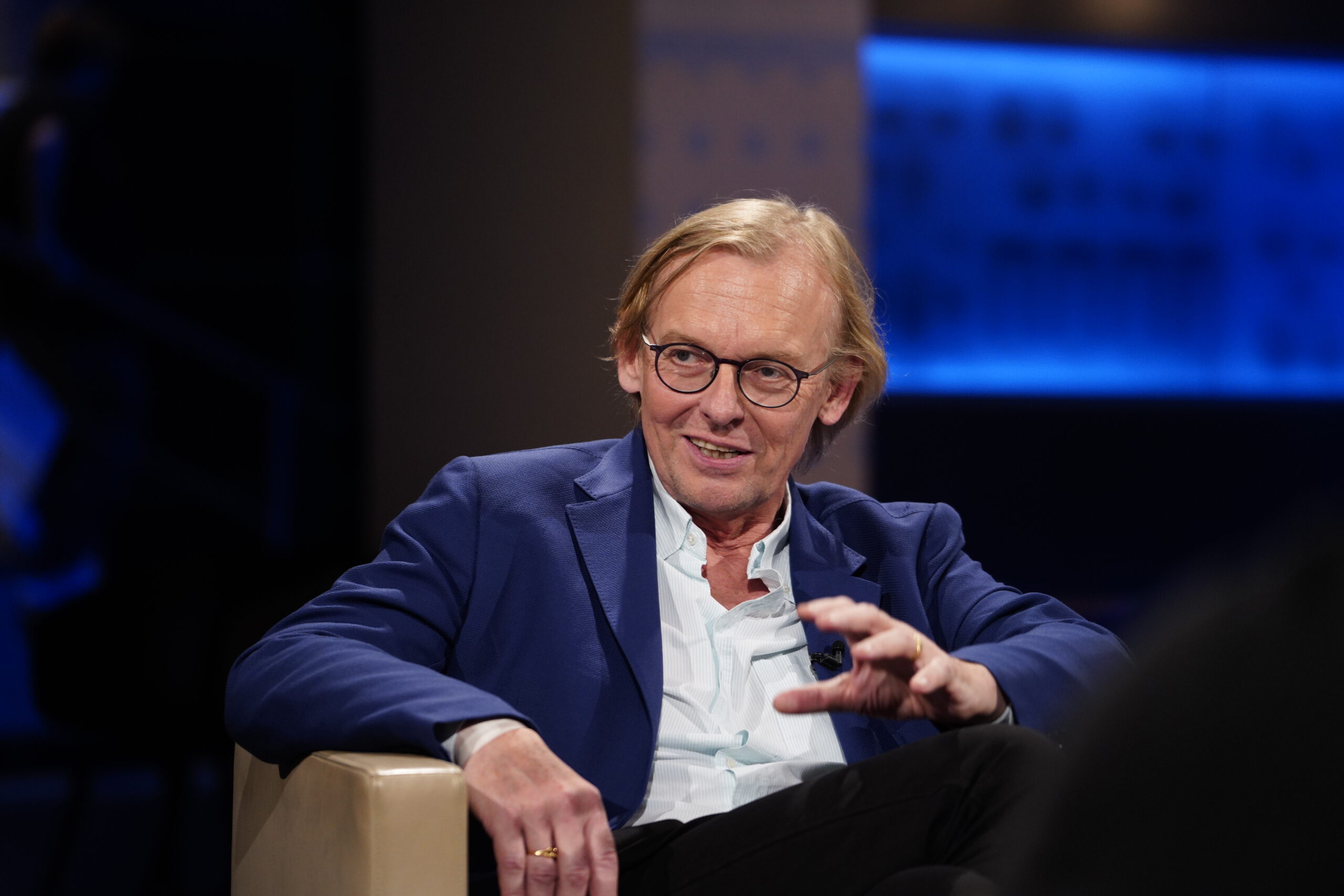
On the role of science in times of crisis, bullshitting and the ideal features section
The philosopher and feature writer Uwe Justus Wenzel deals with the relationship between science and the public. According to Wenzel, it is problematic when political decisions are shifted onto science
-
Deliberate ignorance as a cultural ability in the knowledge society
Ralph Hertwig, Director at the Max Planck Institute for Human Development, also considers deliberate ignorance to be useful and, sometimes, even necessary.
-
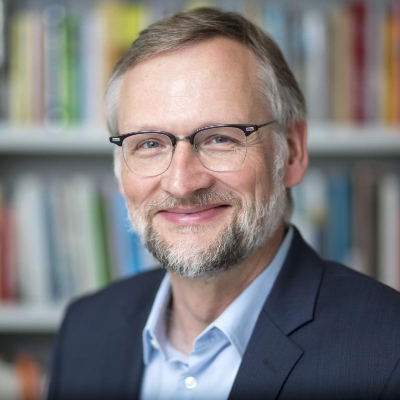
«New Work is a necessity»
New Work is commonly understood as an employee-centred form of leadership and working. For Heike Bauer New Work is a necessity for dealing with the future

-
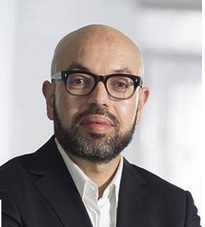
Partir de l’impact pour penser la flexibilité autrement
Assâad El Akremi est le co-auteur du livre « La société flexible » paru il y a 20 ans. Dans l’un de ses chapitres, nous pouvons y lire que la flexibilité est utilisée à des fins de régulation que peut exercer l’entreprise sur ces employés. Est-ce toujours le cas aujourd’hui ? Et comment la thématique est-elle traitée aujourd’hui et…
-
Fiction opens up possibilities
Metaphors (Denkbilder) and storytelling can be instruments for thinking about the future. This is what cultural critic Elisabeth Bronfen suggests.